Timing Strategies for Effective Weed Control
Effective weed control depends heavily on timing. Applying treatments at the right time can significantly reduce weed growth and prevent future infestations. The optimal time varies based on weed species, local climate, and the type of control method used.
Applying weed controls early in the season targets young weeds before they establish deep roots, making eradication easier and more effective.
Pre-emergent controls are most effective when applied before weed seeds germinate, typically in early spring or late fall.
Post-emergent treatments work best when weeds are actively growing, usually in late spring or early summer.
Applying weed control late in the season can help manage mature weeds and prevent seed production for the next year.

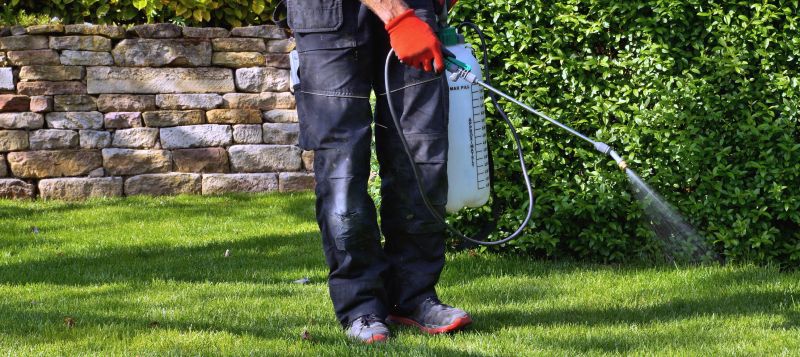
Applying weed control in early spring before weeds fully emerge.
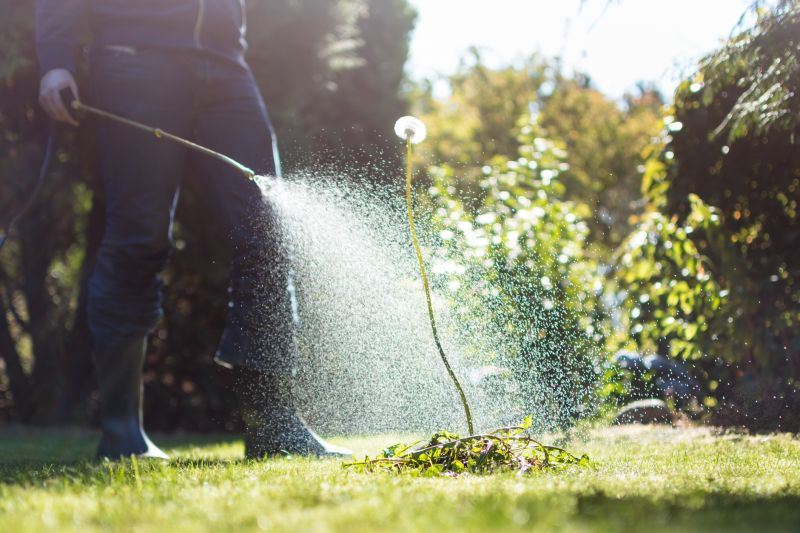
Targeting actively growing weeds during summer months.
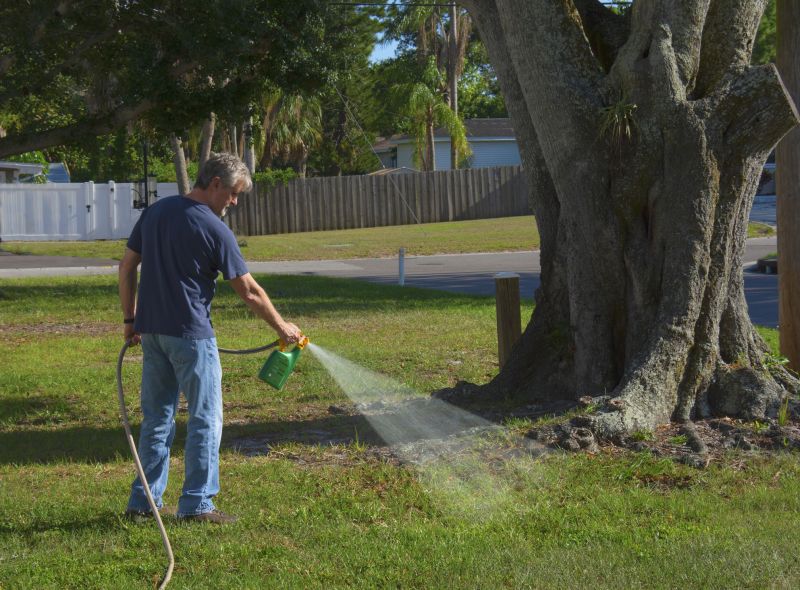
Controlling weeds before seed dispersal in late fall.
Ways to make Weed Controls work in tight or awkward layouts.
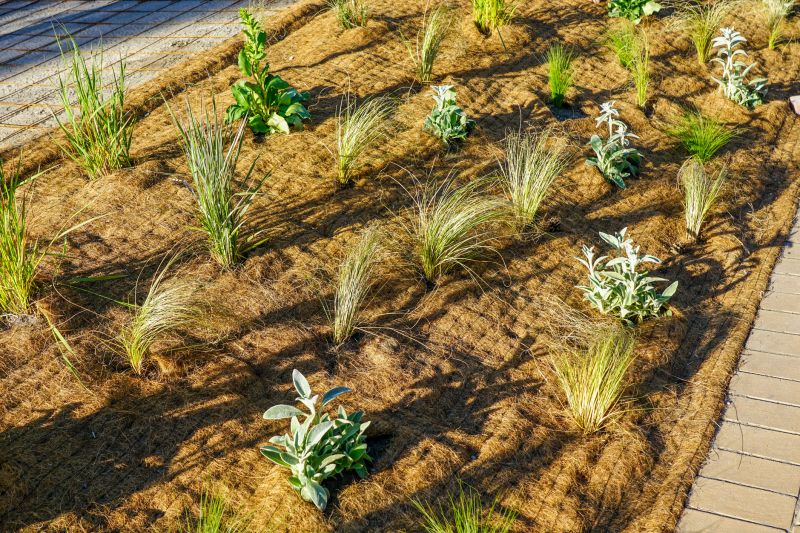
Popular materials for Weed Controls and why they hold up over time.
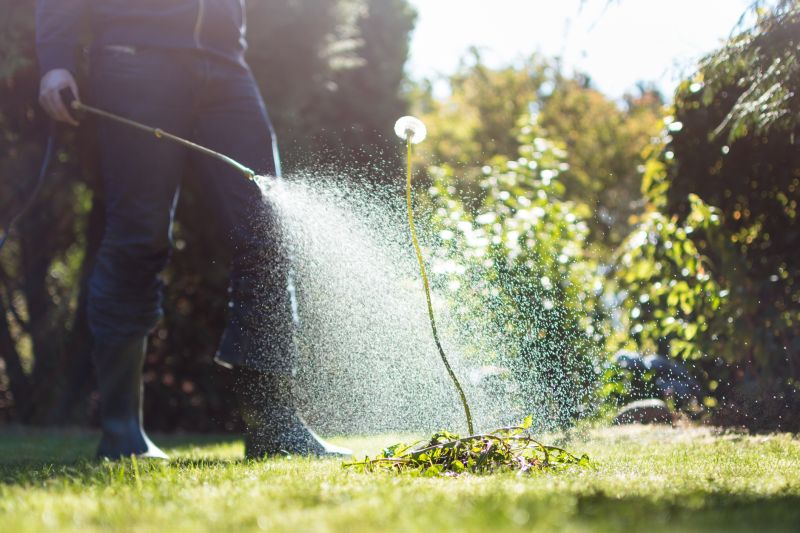
Simple add-ons that improve Weed Controls without blowing the budget.
| Weed Control Timing | Recommended Actions |
|---|---|
| Early Spring | Apply pre-emergent herbicides before weed seeds germinate. |
| Late Spring | Use post-emergent herbicides when weeds are young and actively growing. |
| Summer | Monitor and reapply as necessary during peak growth. |
| Fall | Apply control measures to prevent seed dispersal. |
| Winter | Minimal activity; focus on prevention for the upcoming season. |
Weed controls are most effective when timed to coincide with specific growth stages of weeds. Early intervention can prevent weeds from establishing deep roots, reducing the need for repeated treatments. Proper timing also minimizes chemical use and environmental impact, ensuring a more sustainable approach to weed management.
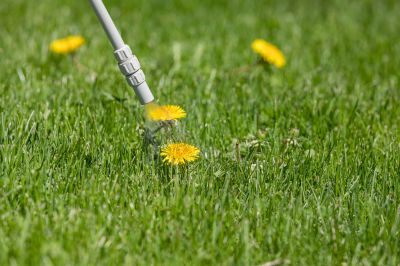
Target weeds before they can establish roots.
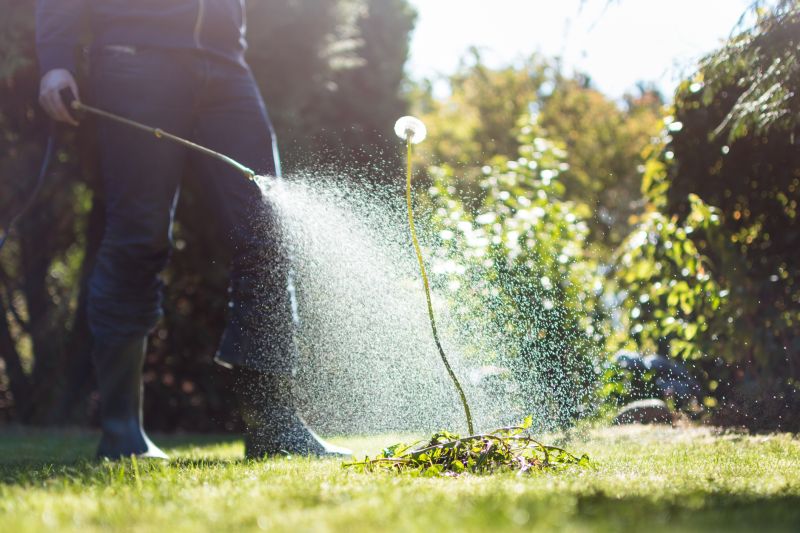
Apply treatments during peak growth for better results.
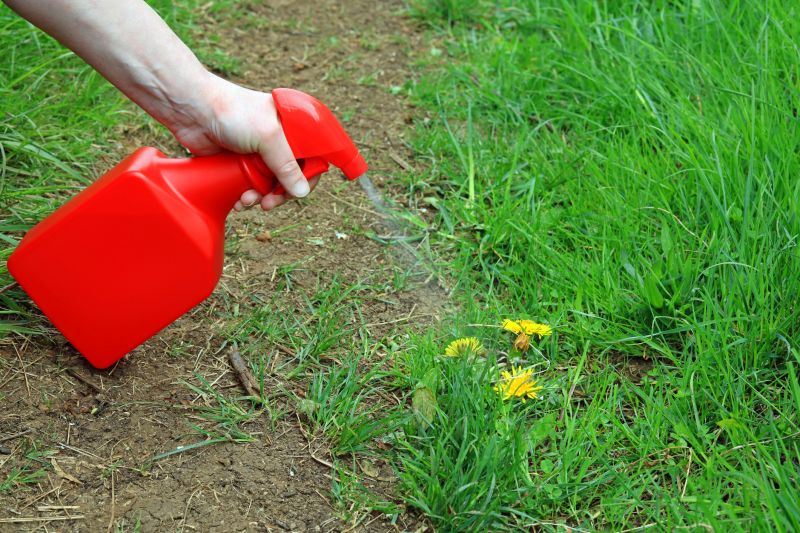
Prevent seed dispersal with timely control.
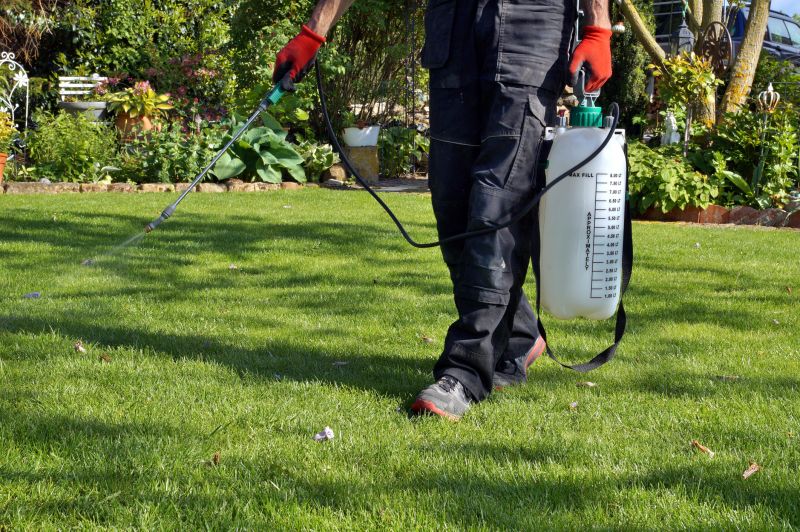
Regularly assess weed growth and reapply as needed.
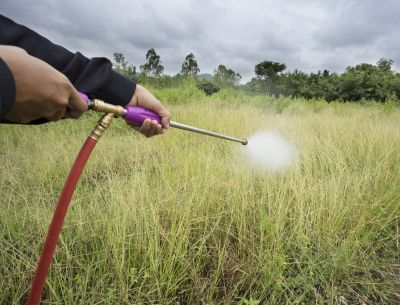
Finishes and colors that play nicely with Weed Controls.

Little measurements that prevent headaches on Weed Controls day.
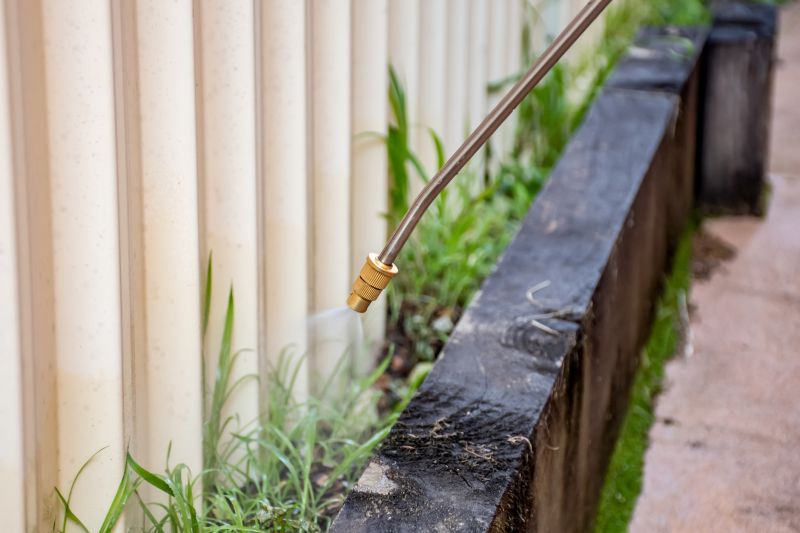
A 60-second routine that keeps Weed Controls looking new.
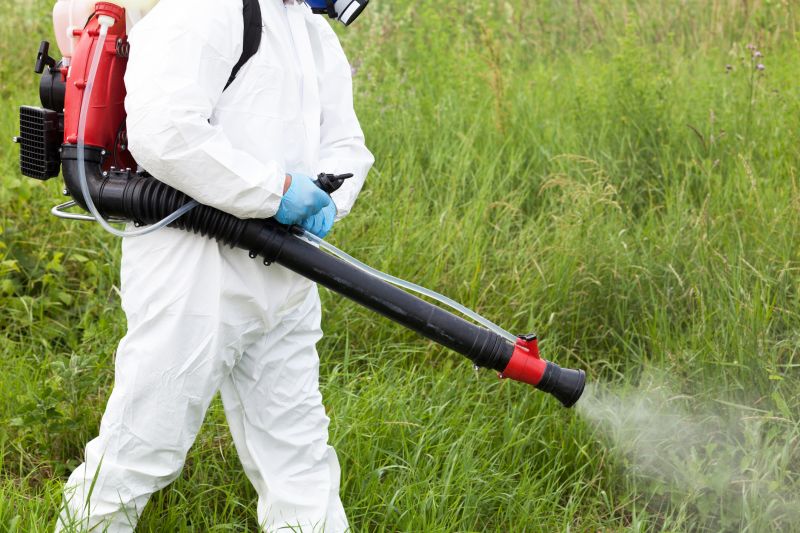
A frequent mistake in Weed Controls and how to dodge it.

Small tweaks to make Weed Controls safer and easier to use.

Lower-waste or water-saving choices for Weed Controls.
Understanding the best timing for weed controls can lead to more effective management and healthier landscapes. Proper application at the right time reduces chemical use, lowers costs, and prevents future infestations. Consistent monitoring and timely reapplications are key components of an effective weed control strategy.
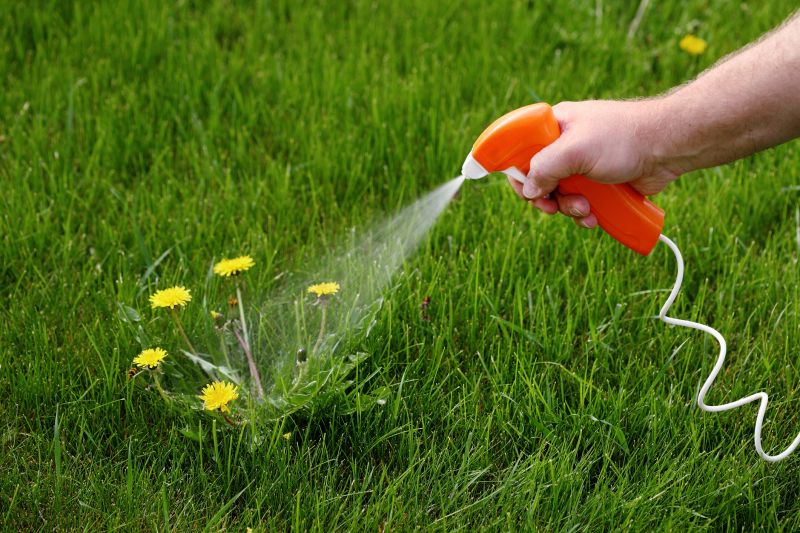
Applying treatments at optimal times for best results.
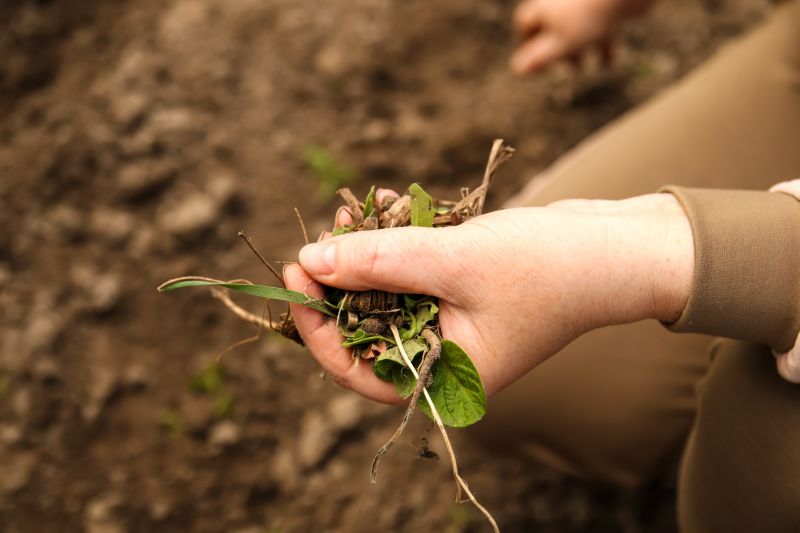
Effective weed management supports landscape health.

Adjust strategies based on seasonal growth patterns.
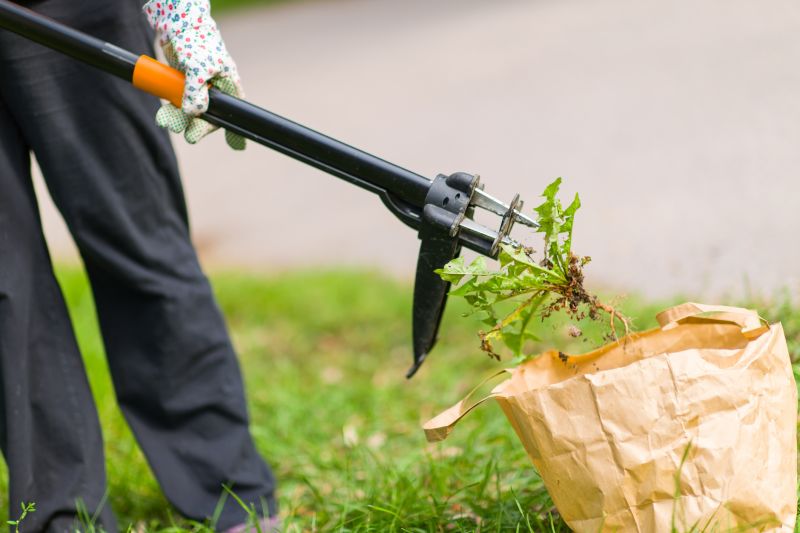
The short, realistic tool list for quality Weed Controls.
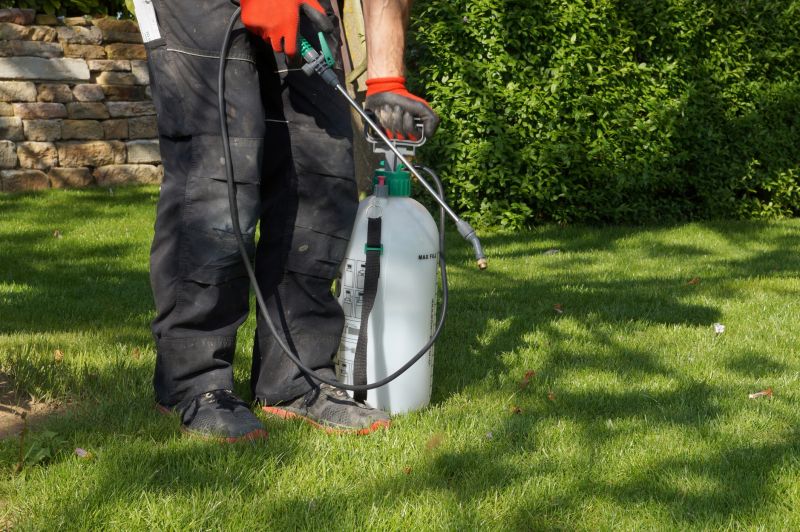
Rough timing from prep to clean-up for Weed Controls.
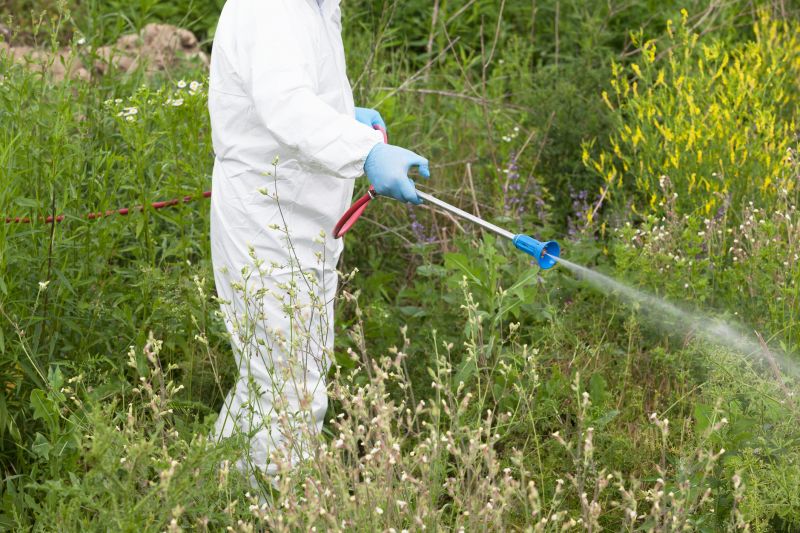
Quick checks and paperwork to keep after Weed Controls.
Interested in managing weeds efficiently? Filling out the contact form can provide tailored advice and options for effective weed control strategies suited to specific landscapes and conditions.